

NEWS
News Center
Operational issues in measuring the level of polystyrene liquid
Publish Time:
2022-07-19 09:01
Source:
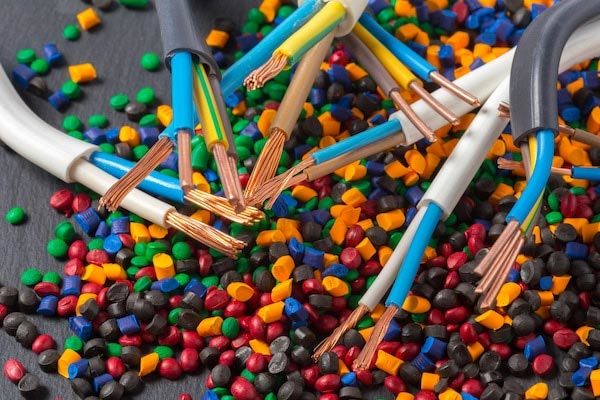
At the beginning of the 20th century, measuring the level of polystyrene was a major challenge in the petrochemical industry. At that time, a domestic company used various level measuring instruments, but the results were unsatisfactory. Finally, after extensive research and consultation, a radar level gauge from a foreign brand was used, and the measurement achieved the expected results. Today, let's take a look at the operating conditions that need to be considered when using a radar level gauge to measure polystyrene in a molten state.
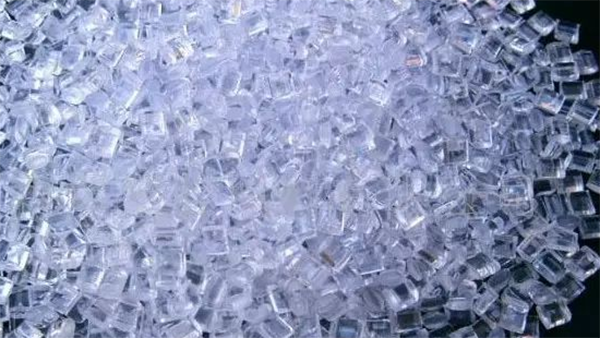
PS plastic (polystyrene)
At room temperature, the dielectric constant of polystyrene is 2.8, but at high temperatures, the dielectric constant of polystyrene will decrease. When selecting a radar level gauge, it is necessary to understand whether the polystyrene being measured is at room temperature or at a high temperature. If it is high temperature, how high will it be, and what is the dielectric constant of polystyrene at that temperature.
The reason for such a thorough investigation of the dielectric constant of polystyrene is that the radar waves emitted by the radar level gauge are greatly affected by the dielectric constant. The higher the dielectric constant of the measured medium, the stronger the echo signal, and the more accurate the measurement. Conversely, if the dielectric constant is too low, it will be impossible to measure. Therefore, this operating condition is very important.
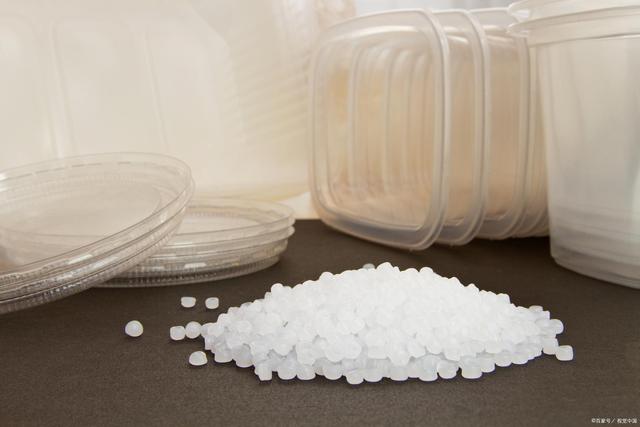
In addition to the above operating conditions, the situations that may occur during the operation of polystyrene should also be understood. During the operation of molten polystyrene in the PS devolatilization tank, a small amount of water vapor will be generated, and the medium has strong adhesion. For this operating condition alone, guided wave radar level gauges are not suitable. Therefore, it is important to pay attention to the operating characteristics when measuring polystyrene.
Finally, a less important but essential point is to understand the measuring range of the tank. The measuring range of each radar level gauge is different. If it is not understood clearly and an unsuitable one is selected, the measurement may be inaccurate or even impossible.
The actual operating conditions of polystyrene are far more complex than those described above. For users with procurement needs, it is recommended to observe their own operating conditions and consult experienced engineers if necessary, so that various problems can be avoided in the later stage.
Previous Page
Contact Us
-
-
Tel:8651282355800
Email:laqfnewmaterials@163.com
Address: No. 38, Shengyu Avenue, Changshu City, Suzhou City, Jiangsu Province
Mobile Website
Copyright © 2022 Jiangsu Lvan Qinfeng New Materials Co., Ltd.